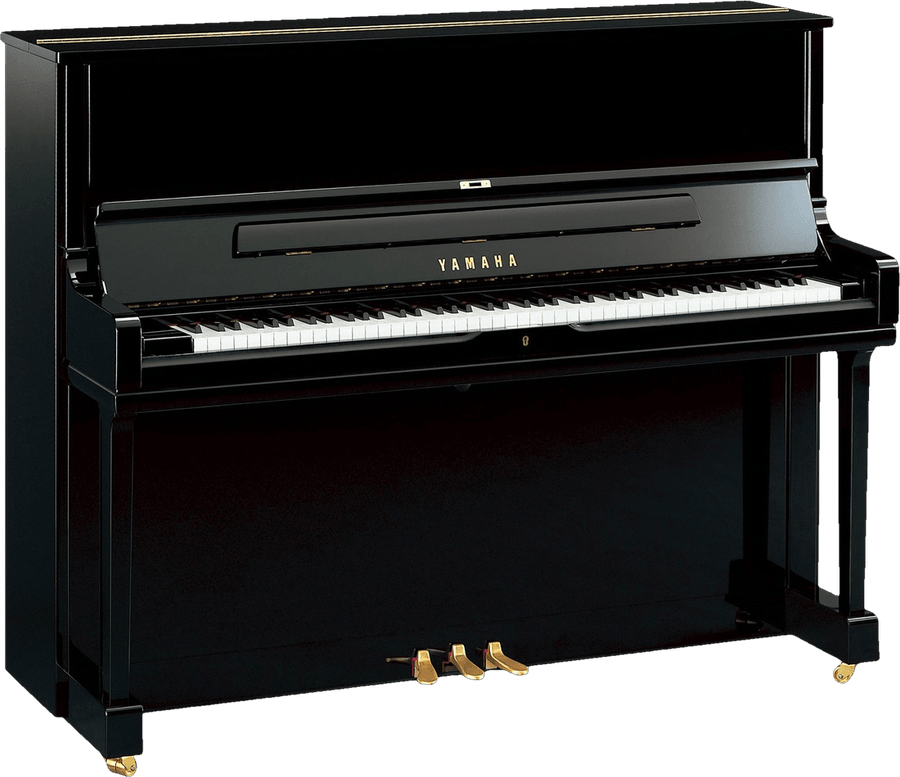
Yamaha
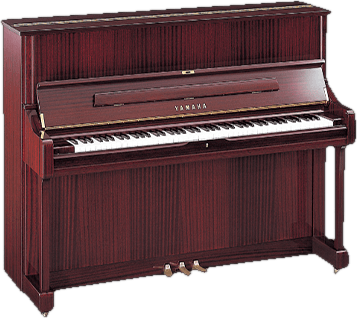
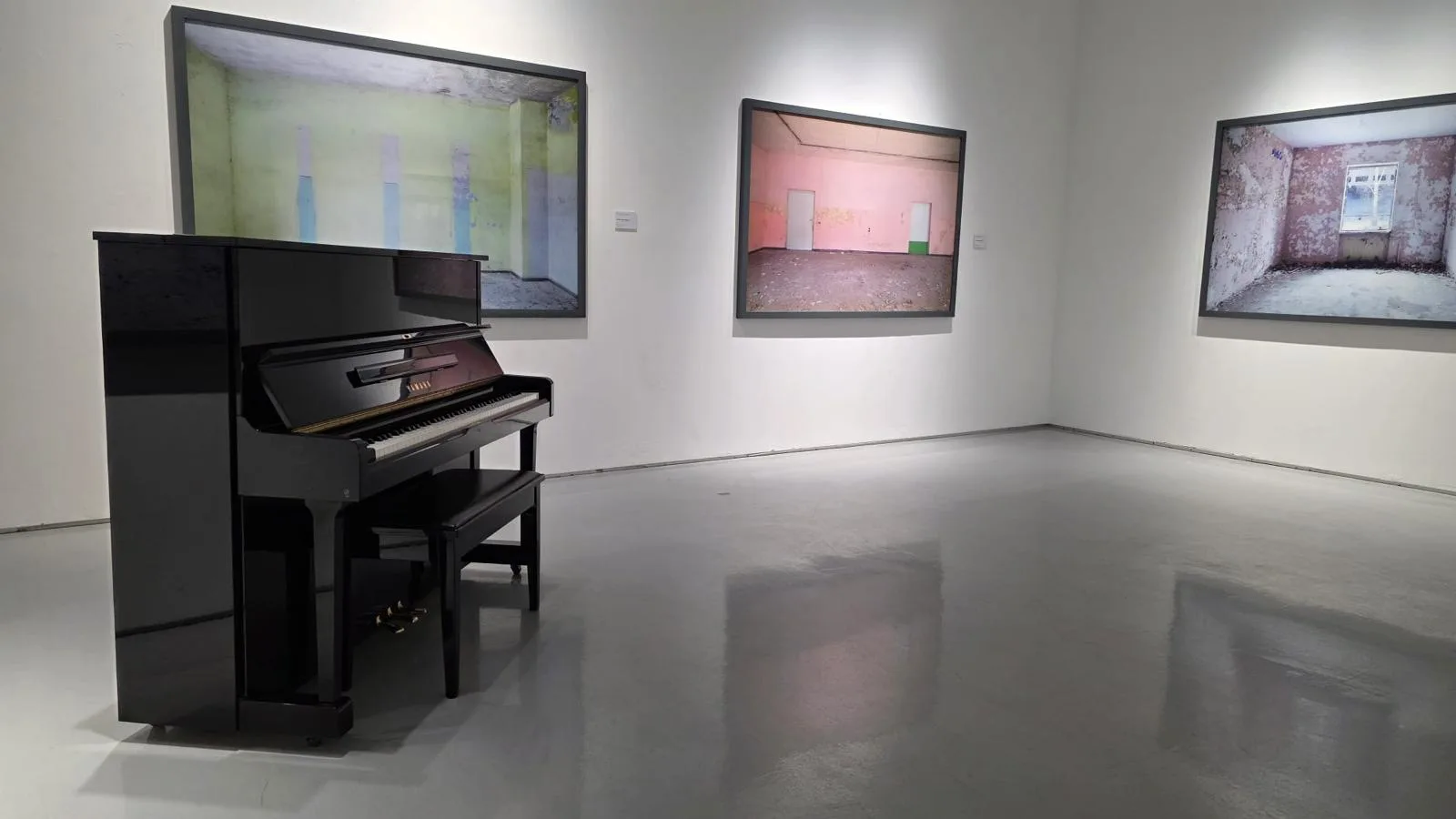
U1
121 cm
The upright most teachers name first and the one most homes in Singapore end up with. If you have asked three people for a recommendation and two of them said U1, this is why.
Read about it →Home/Available Pianos/Upright Pianos
Upright pianoMost pianos in Singapore homes are uprights, and most of the difference between one and the next is height. A few centimetres change how much bass there is and how long a note carries.
In an upright, height is the specification that matters. A taller case takes longer bass strings and a larger soundboard, which is why a 131 cm Yamaha U3 has a fuller bass than a 121 cm U1 from the same maker.
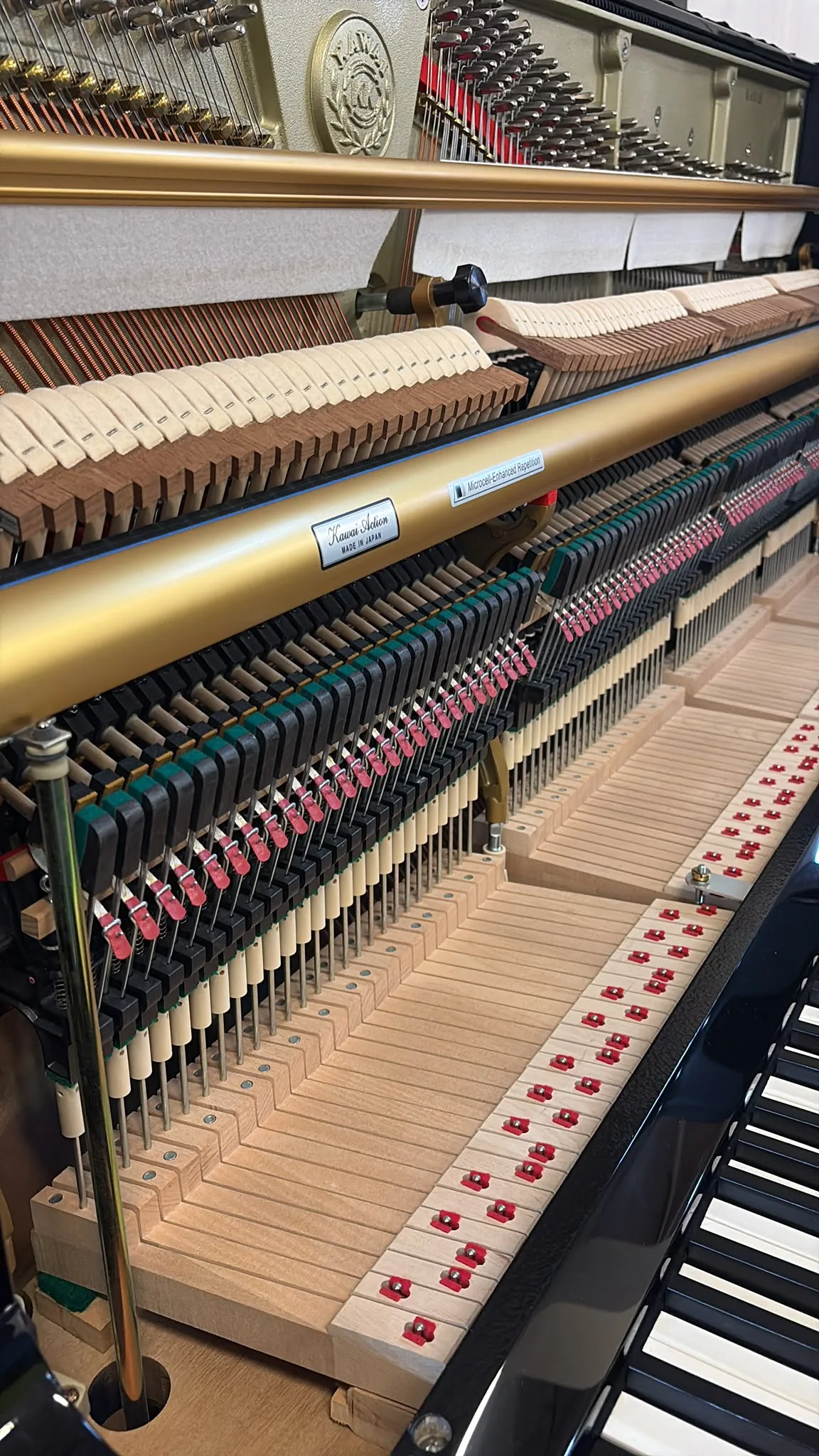
What separates a good used upright from a tired one is how the action and the tuning pins have been kept, and neither can be judged from a photograph. That is why we check both before an instrument goes on the floor, and why playing a few side by side settles more than any list.
Ask for current availability and price
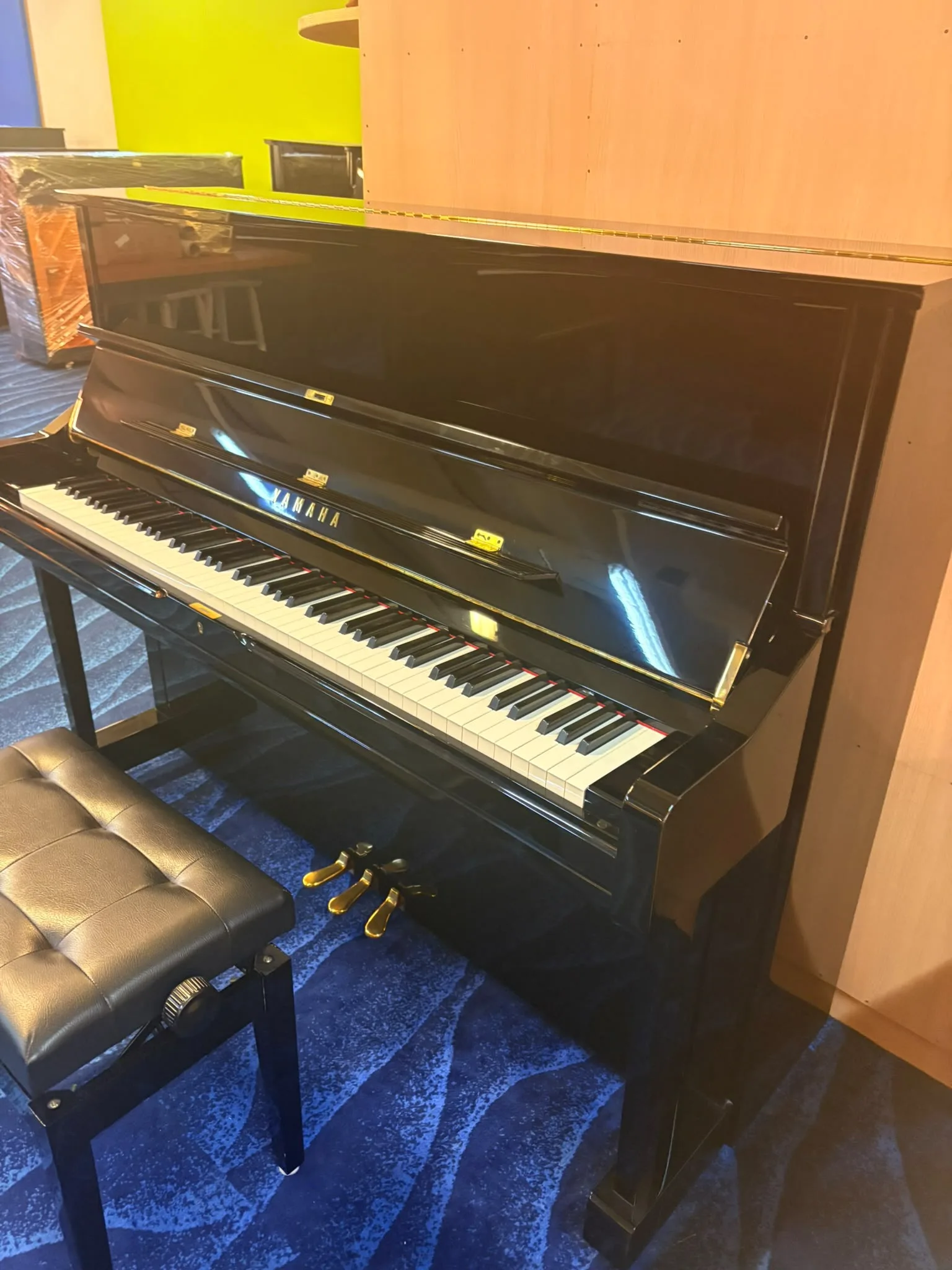
Sizes are the manufacturer figures. What is actually in the viewing gallery changes as instruments come and go, so ask before you travel.
Yamaha
121 cm
The upright most teachers name first and the one most homes in Singapore end up with. If you have asked three people for a recommendation and two of them said U1, this is why.
Read about it →Kawai
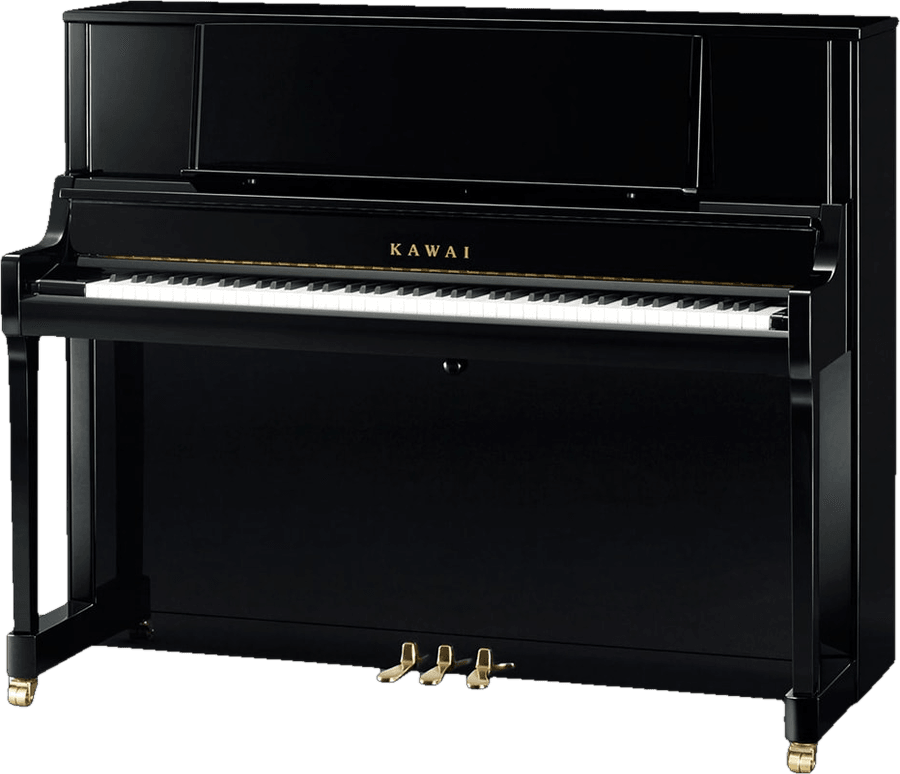
122 cm
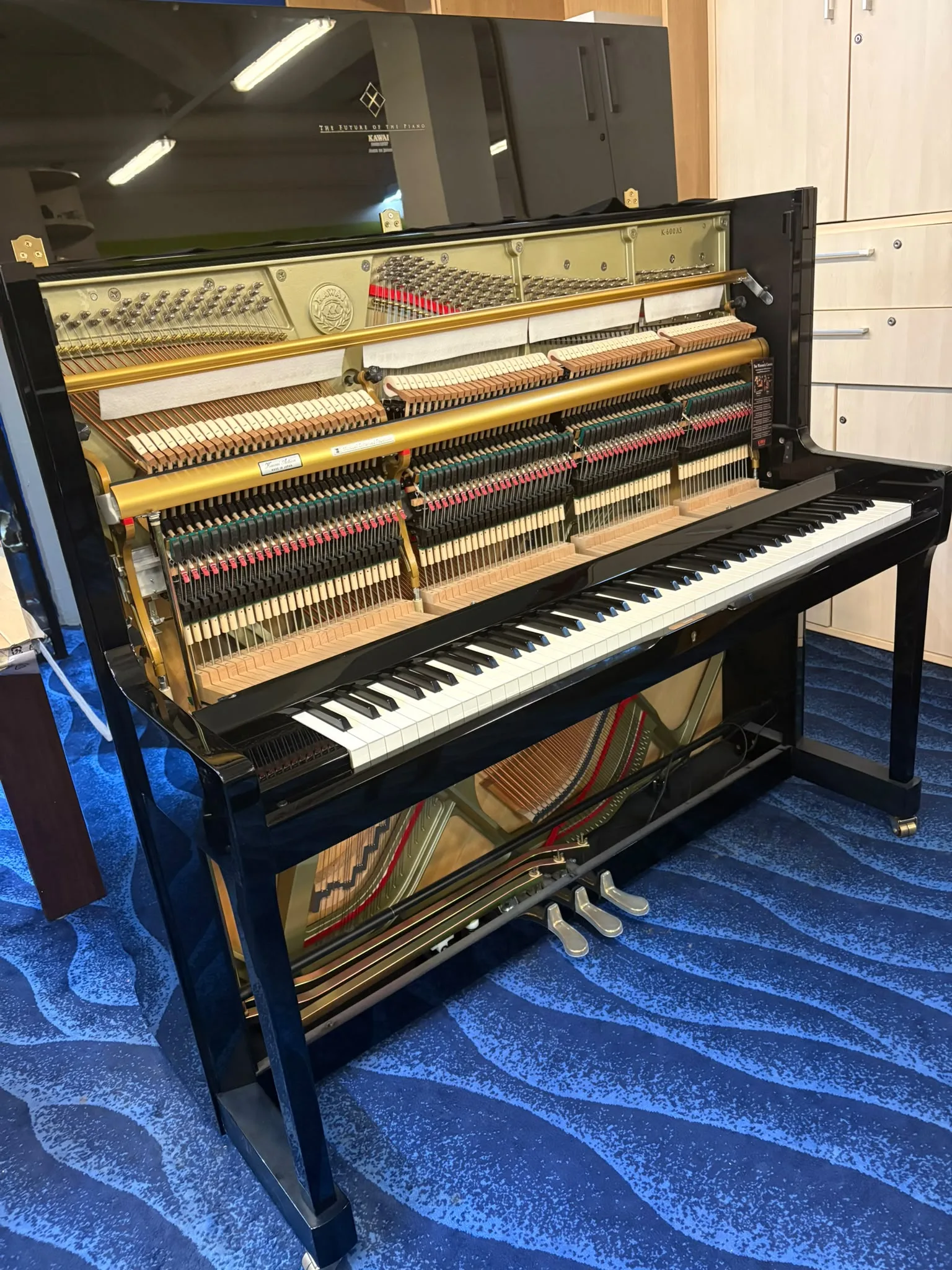
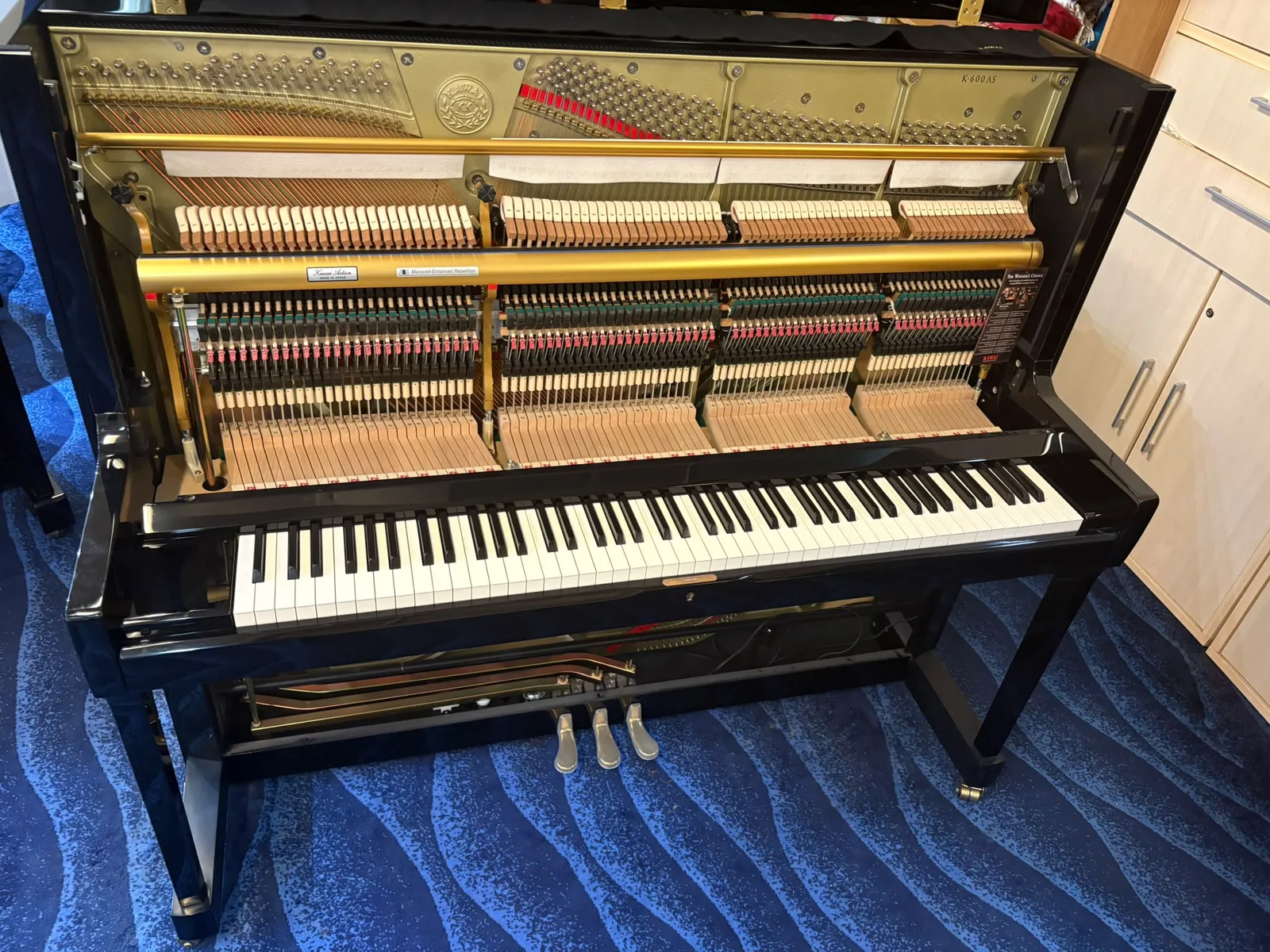
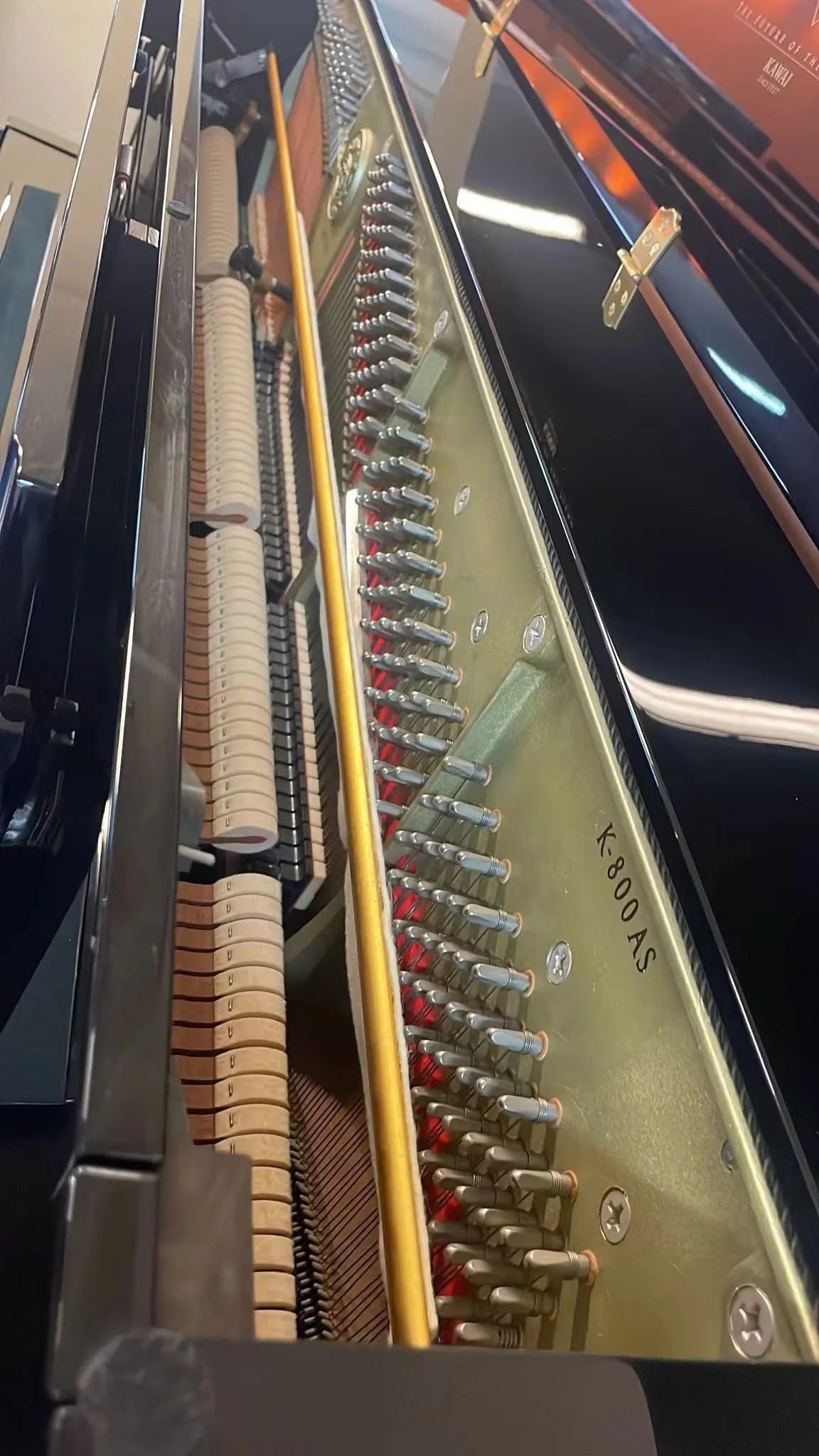
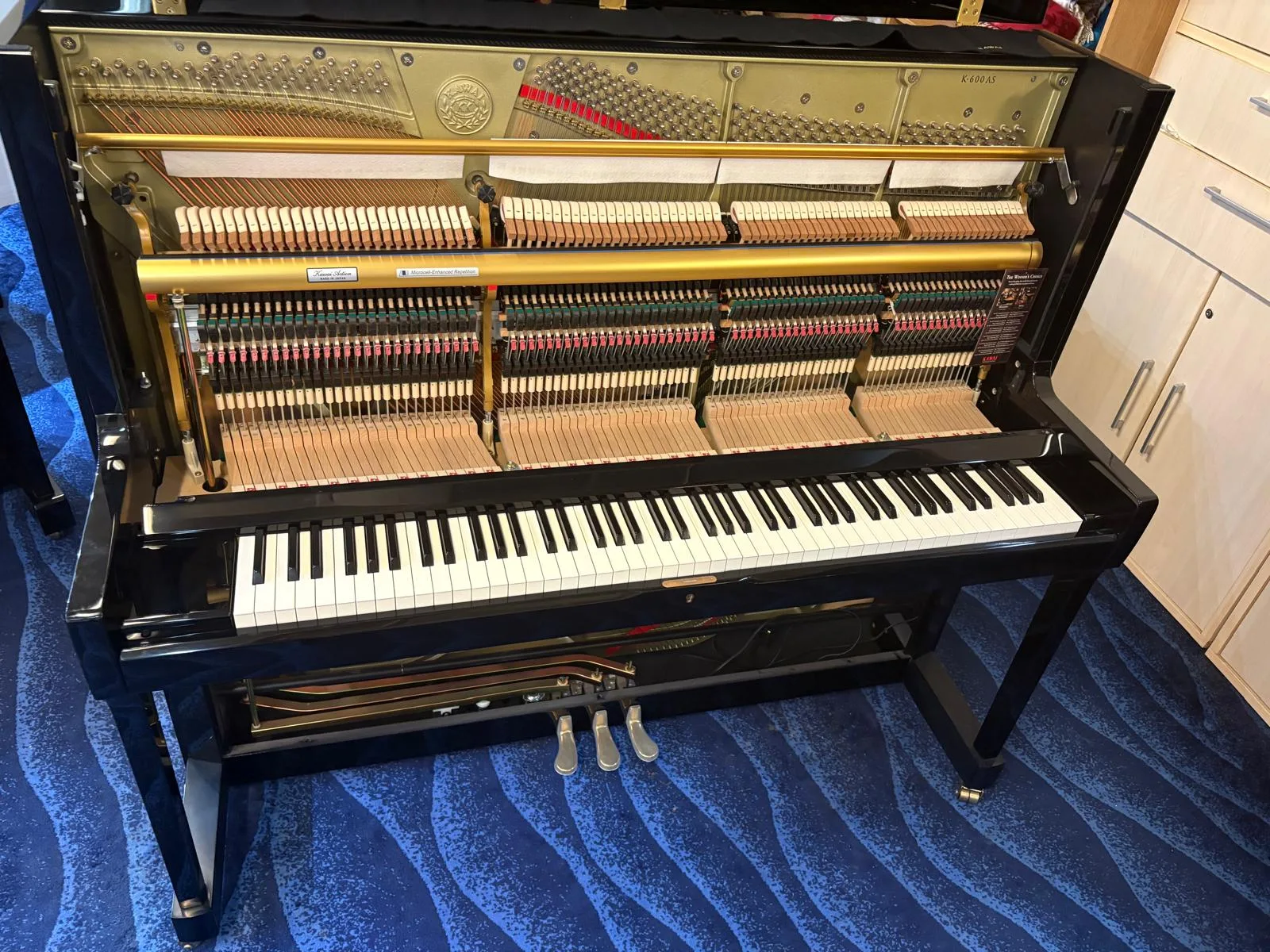
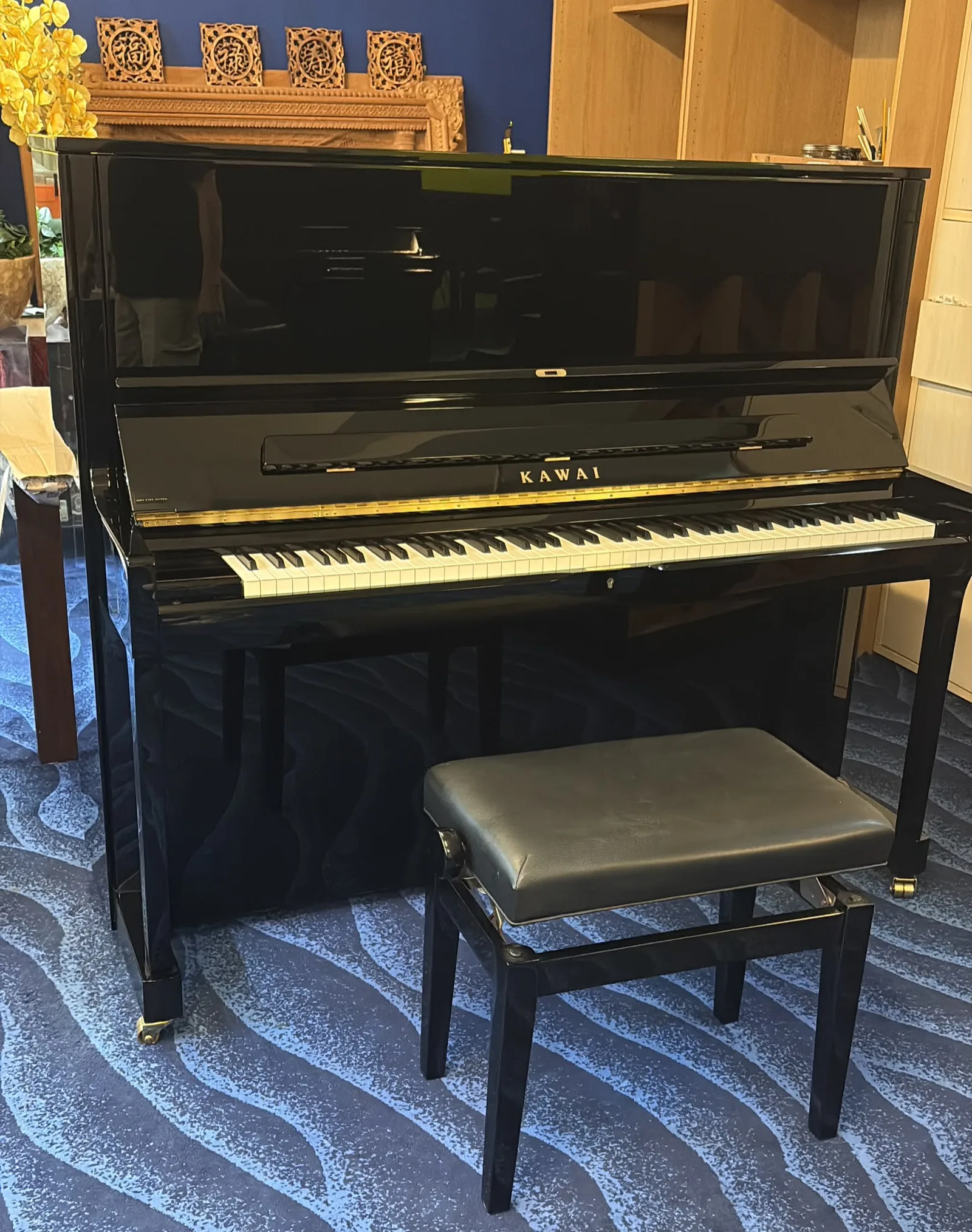
Kawai’s answer to the U1, and the Kawai we are asked about by name more than any other. Warmer than the Yamaha, and built with an action that has a specific argument behind it.
Read about it →Yamaha
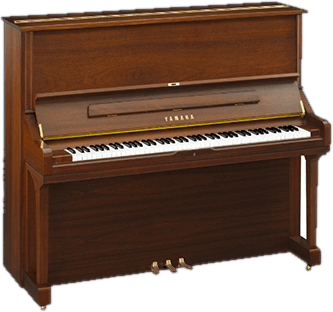
131 cm
Ten centimetres taller than a U1, and those ten centimetres are the whole point. Longer strings, a bigger soundboard, and a bass that sounds like a piano rather than a suggestion of one.
Read about it →Yamaha
The top of the U series. Bought by people who have decided they are buying one piano and are not going to do this again.
Read about it →Boston
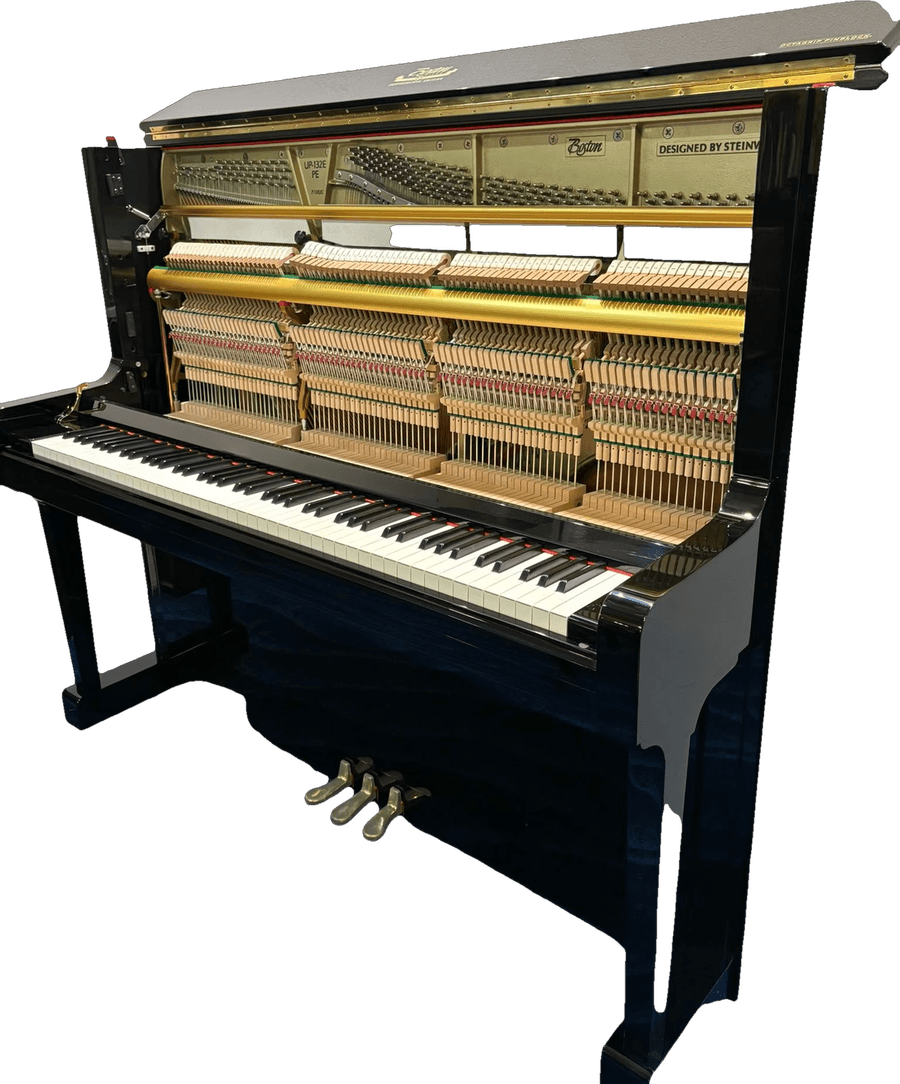
132 cm
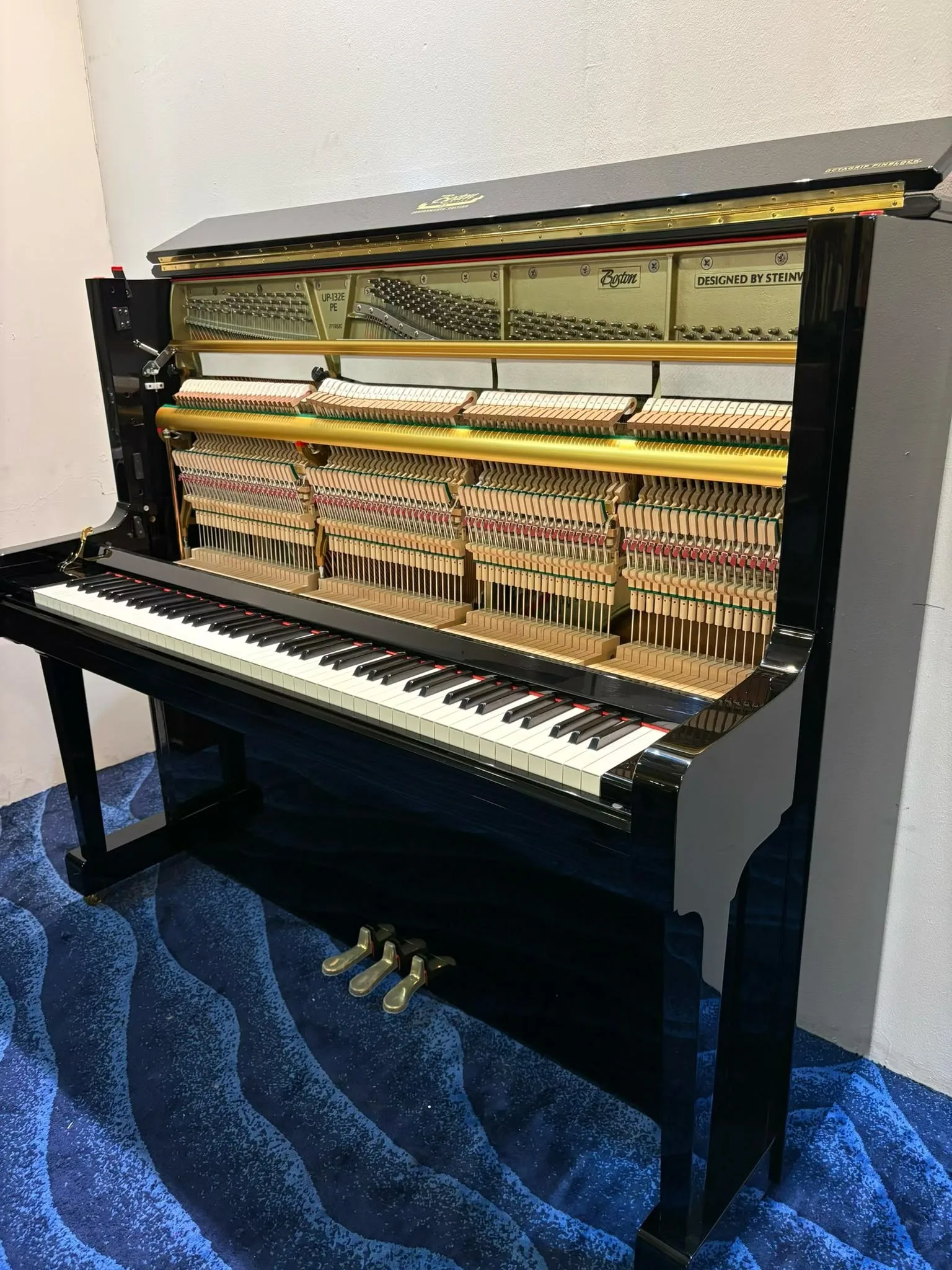
The tallest upright Steinway and Sons designs, at 132 cm, built for it in Japan by Kawai. A tall case and a long string in a cabinet that still stands against a wall.
Read about it →The same four we check ourselves before an instrument goes on the floor. Every instrument is an original used piano. Not reconditioned, not rebuilt. Ask us about any of them on a specific piano and you get a straight answer.
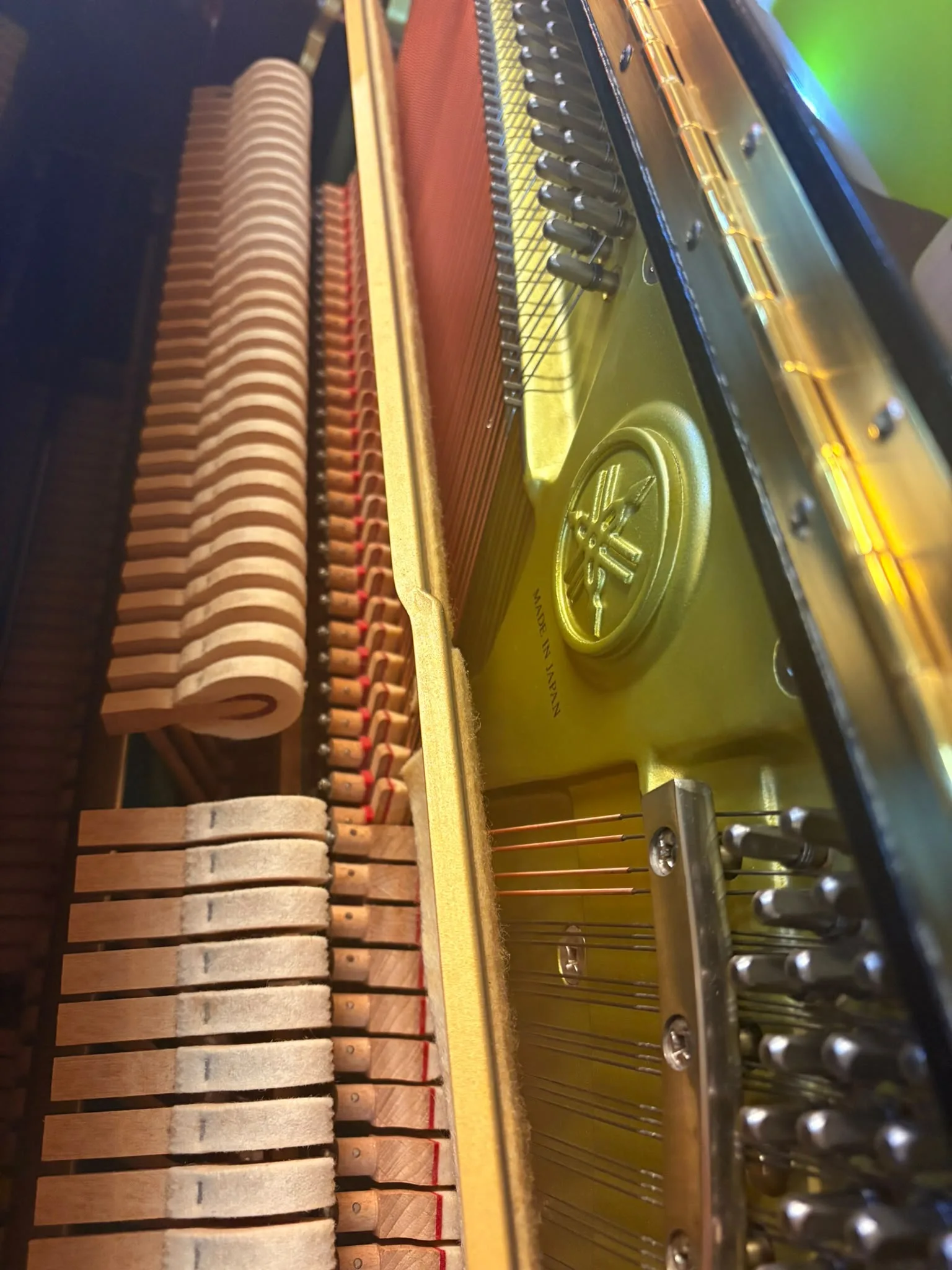
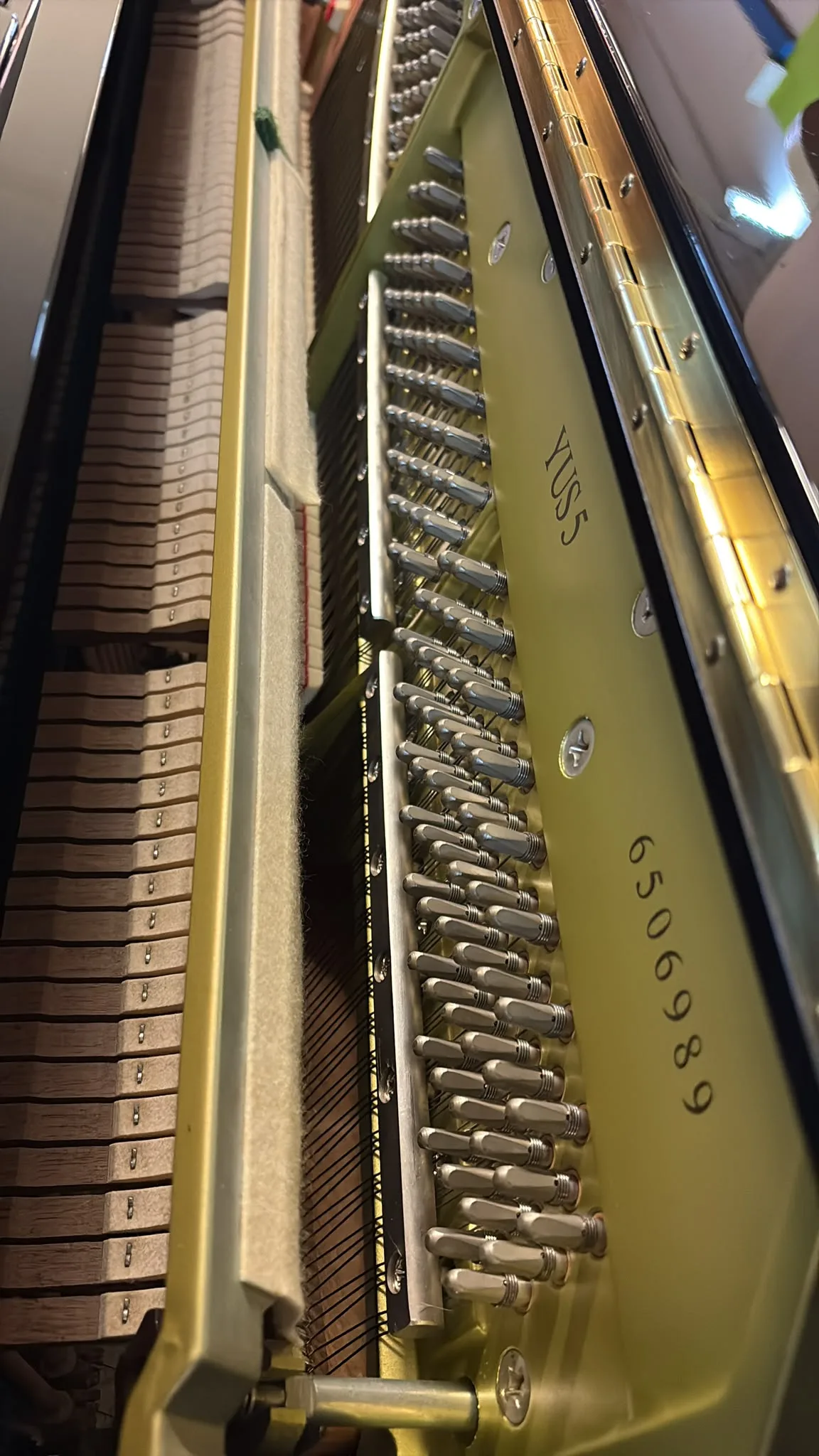
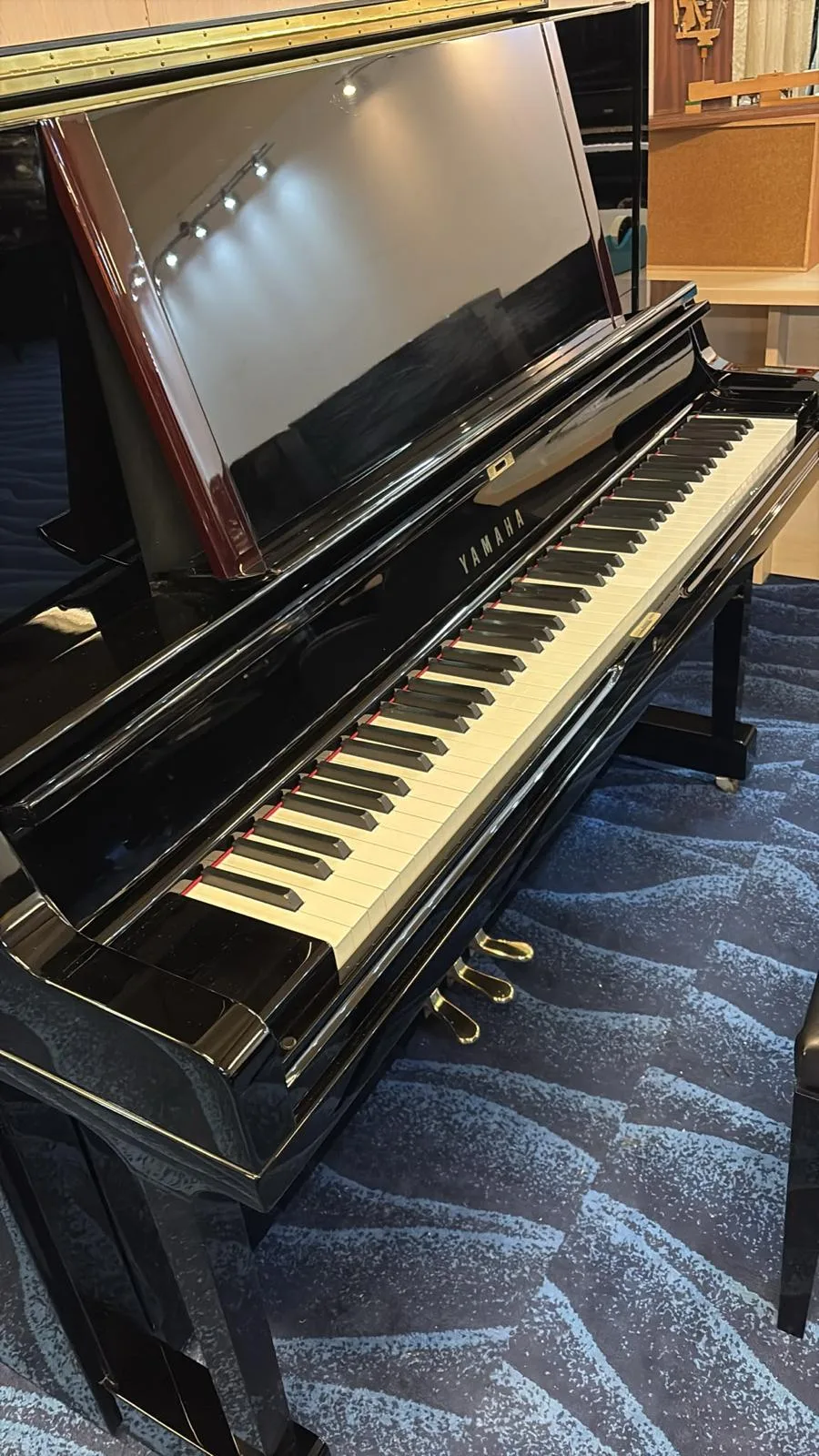
Filmed on a phone at IMM, so this is close to what the room sounds like rather than a studio recording. Press play, with the sound on.
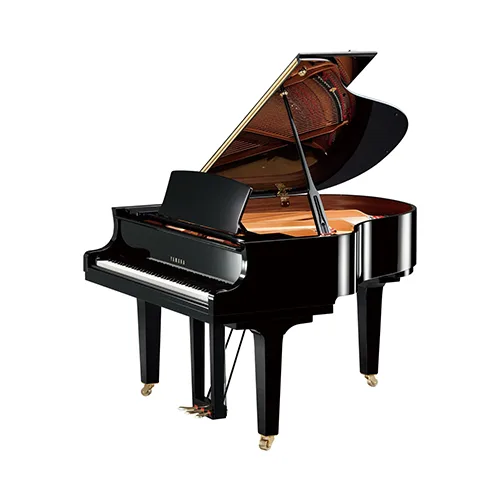
A good tall upright will outplay a small or poorly kept grand, and it costs less to house. When the room can take a grand around six feet long, that is when the step up is worth making.
Both, back to back, in the same room on the same afternoon. That is a fifteen minute job at the viewing gallery and it settles the question far better than any page can.
As tall as the room and the budget allow. A 121 cm upright such as the Yamaha U1 suits most homes and most players through the grades. A 131 cm upright such as the U3 has a fuller bass that students notice once the music gets more demanding.
Both build uprights that last decades, and the difference is touch and tone rather than quality. Play a U1 and a K300 back to back in the viewing gallery and the choice usually makes itself.
It depends on the make, the height, the year and the condition, so a single figure would be a guess. Ask about a specific instrument and you get a specific price. If nothing on the floor suits the budget we will say so.
Almost always. Uprights go through standard doors and into service lifts. Tell us the floor, the lift and the door widths and we will confirm it before delivery day, not on it.
Message us with the model and we will tell you what is in, what condition it is in, and what it costs. If we have nothing suitable we will say that instead.